Precision Goose Creek Insulation is an insulation contractor serving Charleston, SC, specializing in air sealing, spray foam, and crawl space encapsulation for homes across the city - from the historic peninsula to West Ashley and beyond. We have served the Charleston metro area since 2020 and provide written estimates at no charge before any work begins.
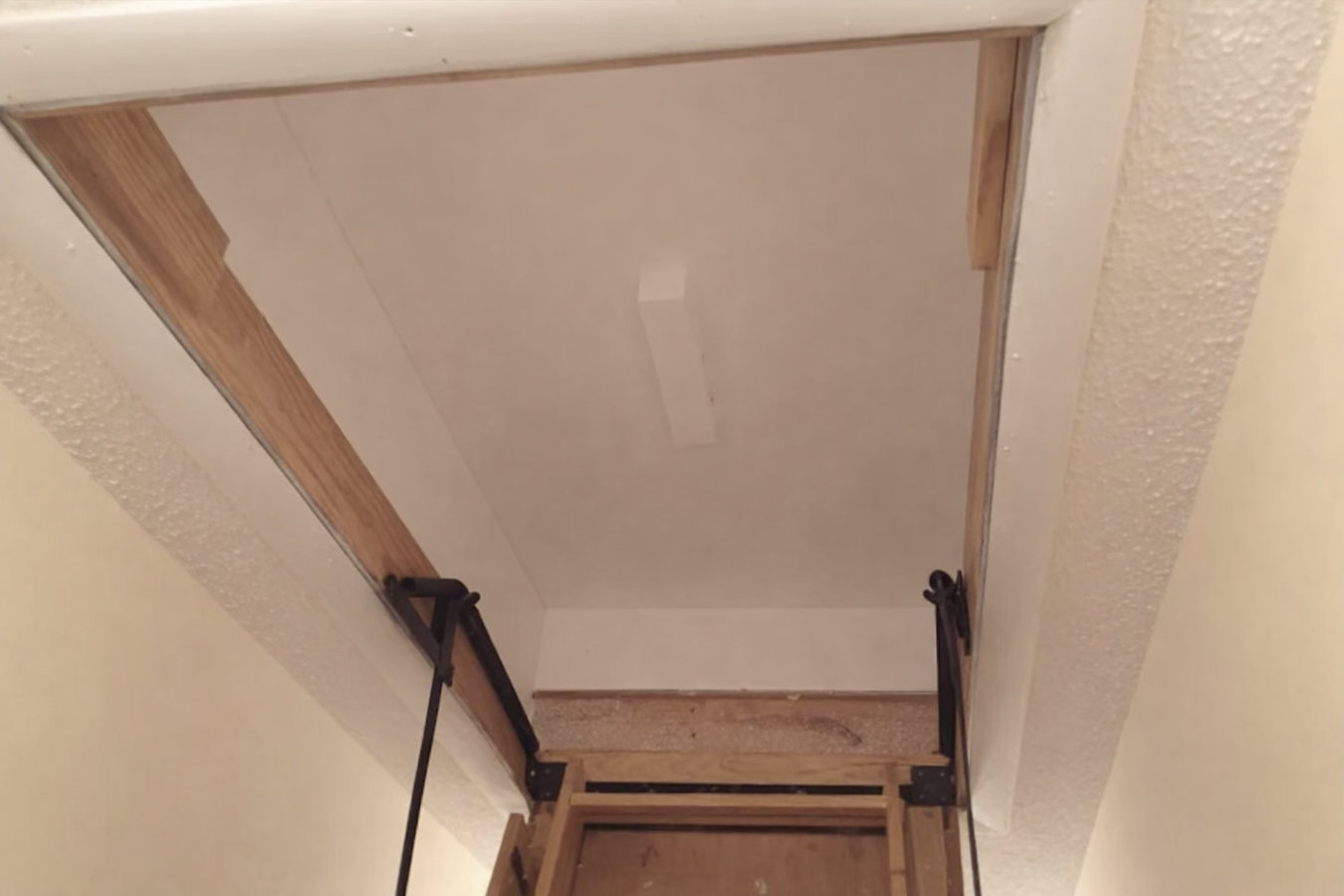
Charleston's older homes - particularly those built before 1970 - have significant air leakage through original framing gaps, attic bypasses, and unsealed penetrations around plumbing and electrical. Our air sealing services address these gaps before adding new insulation, so the thermal barrier actually performs as intended in Charleston's climate.
Charleston's combination of summer heat and coastal humidity demands an insulation material that seals and insulates simultaneously. Spray foam bonds directly to framing members and foundation walls, making it the strongest choice for homes near tidal flood zones or in neighborhoods prone to storm-driven moisture intrusion.
A large share of Charleston homes on the peninsula and in West Ashley sit on pier or raised foundations with open crawl spaces. In the Lowcountry, those spaces collect humidity year-round, leading to mold on floor joists and soft spots in hardwood floors. Proper crawl space insulation and encapsulation stops that moisture cycle before it damages the structure.
Attics in Charleston homes heat up dramatically during the summer months, and that heat transfers into the living space below if the attic floor is not properly insulated. Many postwar homes in West Ashley and North Charleston have original fiberglass batts that have been compressed or damaged over decades - bringing those up to current R-value standards makes a measurable difference on energy bills.
Tidal flooding and heavy rainfall regularly saturate the soil beneath homes in low-lying Charleston neighborhoods. A properly installed vapor barrier on the crawl space ground prevents that soil moisture from rising into the floor structure - a particularly important protection for homes near the Ashley or Cooper rivers.
After a hurricane or tropical storm, attic insulation in Charleston homes is sometimes saturated with water or displaced by wind-driven rain entering through roof vents or damaged decking. Installing new insulation over water-damaged material traps moisture - removing the old insulation first is the only way to start clean.
Charleston is one of the oldest cities in the country, and its housing stock reflects that history. Homes in the historic district were built with heart pine framing and brick pier foundations - materials that perform well but require a different approach than modern construction. The combination of an old building envelope and a coastal climate that delivers heat, humidity, and hurricane-season storms every year creates maintenance demands that simply do not exist in drier or newer housing markets.
The city also deals with chronic moisture at the foundation level. Charleston regularly experiences tidal flooding even on dry days in low-lying neighborhoods, and the high water table means soil moisture is always present beneath homes with crawl space foundations. The City of Charleston has invested significantly in drainage improvements, but crawl space moisture remains a real and ongoing issue for homeowners across many parts of the city. Proper insulation and vapor management is the homeowner's most direct line of defense against that moisture working its way into the floor structure.
Our crew works throughout Charleston regularly, and we understand the real differences between working in the historic district, West Ashley, and the newer subdivisions on the city's edges. Jobs in the South of Broad area often involve original wood framing, tight attic access, and materials that require careful handling - very different from a standard blown-in attic job in a 1990s brick ranch in West Ashley.
Charleston is connected to the rest of the metro area via Interstate 26, Highway 17, and the Arthur Ravenel Jr. Bridge - and we work on both sides of the Cooper River. We are familiar with the City of Charleston Building Inspections process for permitted work and know which project types require a permit in the city versus unincorporated county areas. For homeowners in the historic overlay districts, we can discuss product options that meet preservation guidelines.
We also serve nearby Mount Pleasant and North Charleston, so if your property straddles a jurisdictional boundary or you are not sure which permit office applies, we can sort that out when you call.
Contact us by phone or through the estimate form and we will respond within one business day. You do not need a detailed project scope ready - telling us your concern is enough to get things started.
We visit your Charleston home and inspect the attic, crawl space, and building envelope before quoting anything. For historic homes with brick piers or unusual framing, this step is especially important - we need to see the space to give you an accurate estimate.
You receive a written estimate with a clear scope of work before any work begins. We do not start until you have reviewed and approved the plan - and we handle permit applications when the project requires one.
Most Charleston insulation projects are completed in one to two days. We walk you through the completed work before we leave so you know exactly what was done and where.
We serve homeowners across Charleston, SC. Free written estimates, no pressure, no commitment required to get started.
(843) 931-2094Charleston is one of the most historically significant cities in the American South. The city sits on a peninsula between the Ashley and Cooper rivers and contains some of the oldest residential architecture in the country. The South of Broad neighborhood is home to antebellum mansions and pre-Revolutionary row houses, while Rainbow Row on East Bay Street - a stretch of colorful Georgian townhouses built in the early 1700s - is one of the most photographed streetscapes in the Southeast. The city is served by the Charleston metropolitan area, which includes nearly one million residents across Berkeley, Charleston, and Dorchester counties.
Beyond the historic peninsula, Charleston has grown significantly to the west and south. West Ashley is made up largely of postwar ranch homes and brick ranchers built between the 1950s and 1980s. James Island, Johns Island, and the areas south of the city have seen steady new construction since the 1990s. The housing stock across the city varies widely - from centuries-old homes with heart pine floors and rubble-stone foundations to vinyl-sided subdivisions built in the last decade. Nearby North Charleston and Mount Pleasant are the two largest adjacent communities and share much of Charleston's climate and building stock character.
Seals gaps and delivers superior thermal performance for lasting comfort.
Learn MoreProtects floors from moisture and cold with proper crawl space coverage.
Learn MoreEliminates drafts and air leaks that drive up heating and cooling costs.
Learn MoreKeeps basements dry, warm, and energy-efficient with expert installation.
Learn MoreHigh-density foam that acts as both insulation and moisture barrier.
Learn MoreScalable insulation solutions for offices, warehouses, and retail spaces.
Learn MoreBlocks ground moisture to prevent mold growth and structural damage.
Learn MoreProfessional vapor control installation for long-term moisture protection.
Learn MoreWhether your home is in the historic district, West Ashley, or anywhere in between, we provide free on-site estimates and written proposals before any work begins. The sooner you address insulation issues, the less moisture and heat damage accumulates.