If your upstairs rooms never cool down and your AC runs all day, hot air is getting in through gaps in your attic. We find and seal every one so your home holds temperature the way it should.
Attic air sealing in Goose Creek, SC means finding and closing every gap in your attic floor where conditioned air escapes and hot outdoor air sneaks in - most jobs on a single-family home are completed in one day without disturbing your living space.
This is a separate job from adding insulation. Insulation slows heat moving through solid materials. Air sealing stops air from moving through gaps entirely - and moving air carries far more heat and moisture than conduction through a wall. Most homes built before 2005 in Goose Creek were never air sealed. That means there are likely dozens of openings above your ceiling around pipes, wires, recessed lights, and wall tops that have been leaking conditioned air for years. Pairing attic air sealing with whole-home air sealing services gives you comprehensive coverage from attic to foundation.
The most commonly missed spots are the tops of interior walls, recessed light fixtures, and the area around the attic hatch - all of which can be major air leaks even in homes that look well-maintained from the outside.
If the second floor or rooms near the ceiling feel stuffy and hard to cool even when the air conditioning is running, hot attic air is likely pushing down through gaps in the attic floor. In Goose Creek, where summer heat runs intense and long from June through September, this is one of the most common complaints before getting an attic sealed.
If your cooling bills seem high compared to neighbors in similar-sized homes, or if they have crept up year after year, air leaks in the attic are a likely culprit. Your HVAC system works much harder when it fights against hot, humid air seeping in from above. A noticeable spike in your Dominion Energy or Berkeley Electric bill during peak summer months is worth investigating.
Gaps in the attic floor allow attic air - which can carry dust, insulation particles, and outdoor allergens - to flow down into your living space. If you dust more than seems normal, or family members notice symptoms that are worse at home than elsewhere, air leaks from the attic may be contributing. This is especially common in older Goose Creek homes where insulation has settled.
Stand near your attic access panel on a hot summer day and hold your hand near the edges. If you feel warm air pushing through, that is a direct air leak. The same test works around recessed light fixtures in your ceiling. These are two of the most overlooked air leak locations in homes built in the 1980s and 1990s, which are common across Goose Creek.
We do not just spray foam around the obvious gaps and call it done. A thorough attic air sealing job addresses every penetration in the attic floor - the tops of interior walls, gaps around recessed light fixtures, plumbing and electrical penetrations, the attic hatch frame, and any duct chases or dropped soffits. These are the spots that most contractors miss, and they account for a large share of total air leakage. We also assess whether adding or improving retrofit insulation on top of the sealing would improve your results - in older Goose Creek homes, the two are often best done together.
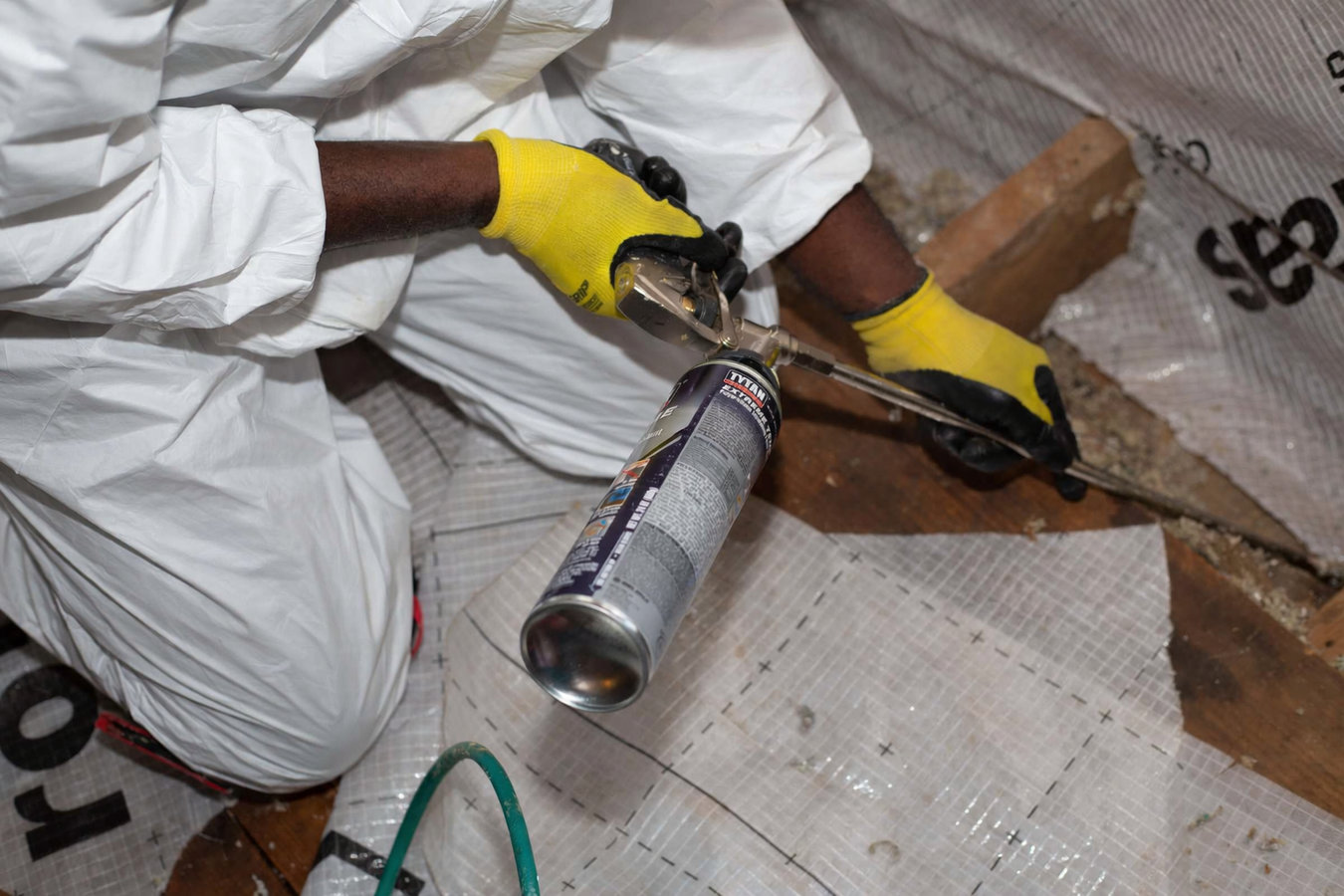
We use spray foam for larger gaps and hard-to-reach areas, caulk for smaller cracks and seams, and rigid foam board where the opening is too wide for foam alone. The right material for each location makes a real difference in how long the seal holds - especially in the Lowcountry climate where temperature swings cause materials to expand and contract through the year.
For homes where the attic has never been sealed or where previous sealing work was incomplete.
For homes where specific problem areas - recessed lights, plumbing chases, wall tops - have been identified as the primary leak sources.
For homes where the pull-down stairs or access panel is a major air leak that is undermining the rest of the attic.
For older Goose Creek homes where sealing and adding insulation together delivers the most significant improvement in comfort and energy cost.
Goose Creek sits in South Carolina Climate Zone 3A - a hot, humid classification that puts more pressure on a home envelope than most of the country. Summer temperatures regularly reach the mid-to-upper 90s, and humidity stays high from May through September. When hot, moist outdoor air finds its way into your attic through gaps, it can condense on cooler surfaces and create conditions for mold and wood decay. This means attic air sealing here is not just about lower energy bills - it is also about protecting the structure of your home from slow, invisible moisture damage. The U.S. Department of Energy specifically recommends air sealing as a priority improvement in hot-humid climate zones like ours.
A large share of Goose Creek homes were built during the suburban growth of the 1980s and 1990s. Energy codes of that era did not require thorough attic air sealing, so these homes almost never had it done as original construction. Homeowners in Summerville and Ladson are in the same situation - similar housing stock, same climate, same unsealed attics quietly driving up energy bills and letting in humid summer air. The good news is these homes respond well to sealing because there is so much room for improvement, and the results show up fast.
We ask a few basic questions about your home - age, square footage, and any comfort or energy bill concerns - and schedule a visit. Most Goose Creek homeowners get an estimate visit within a few days, and we reply to messages within one business day.
A technician goes into your attic to check insulation condition, identify gaps around every pipe, wire, and fixture, and assess how accessible the problem areas are. You receive a written quote that breaks down scope and cost clearly before any commitment is made.
The crew arrives with foam, caulk, and rigid materials and works in the attic for most of the job. Your living space stays largely undisturbed. Most jobs are completed in two to six hours, and the house is fully usable the same day - no waiting period.
After the work, the crew walks you through what was sealed and why. A thorough contractor shows you photos of each area addressed so you know exactly what was done. If you want a blower door test to confirm the air leakage reduction, ask upfront and we will include it.
Free estimate - no obligation. We reply within one business day.
(843) 931-2094The most commonly missed air leak locations - wall top plates, recessed light fixtures, and the attic hatch frame - are the ones we specifically target. Skipping these spots leaves a large share of air leakage behind even after foam has been applied elsewhere. Our crew goes through the whole attic floor methodically, not just the places that are easy to reach.
Goose Creek summers put unique stress on attic seals - the combination of heat and humidity means materials expand and contract more than in drier climates. We select foam and caulk products suited to Lowcountry conditions, not generic products that perform well in dry or northern climates but break down faster here.
Sealing an attic without considering ventilation can create moisture and air quality problems. The Building Performance Institute trains contractors to assess ventilation as part of every sealing job - we follow that approach on every project so tightening your attic improves your home rather than creating a new problem.
We do not quote attic air sealing over the phone because the condition of your specific attic - how many penetrations there are, how accessible they are, and whether insulation needs to move - varies too much from home to home. Every proposal comes after a real in-person assessment and is delivered in writing so you can compare it clearly.
Attic air sealing is one of the most cost-effective home improvements available to Goose Creek homeowners, and the results show up quickly on your energy bill. We combine local climate knowledge with a thorough approach to make sure the work actually delivers what it promises.
Add insulation to your existing attic or crawl space without major demolition - the natural follow-up to getting your attic sealed.
Learn MoreWhole-home air sealing that covers the attic, basement, crawl space, and every other gap in your building envelope.
Learn MoreSummer heat is coming - get your attic sealed before peak cooling season drives your energy bills higher.