If your attic is under-insulated, your air conditioner fights the heat all day. Blown-in insulation fills every corner evenly and gives your home the barrier it needs to stay comfortable through a long Lowcountry summer.
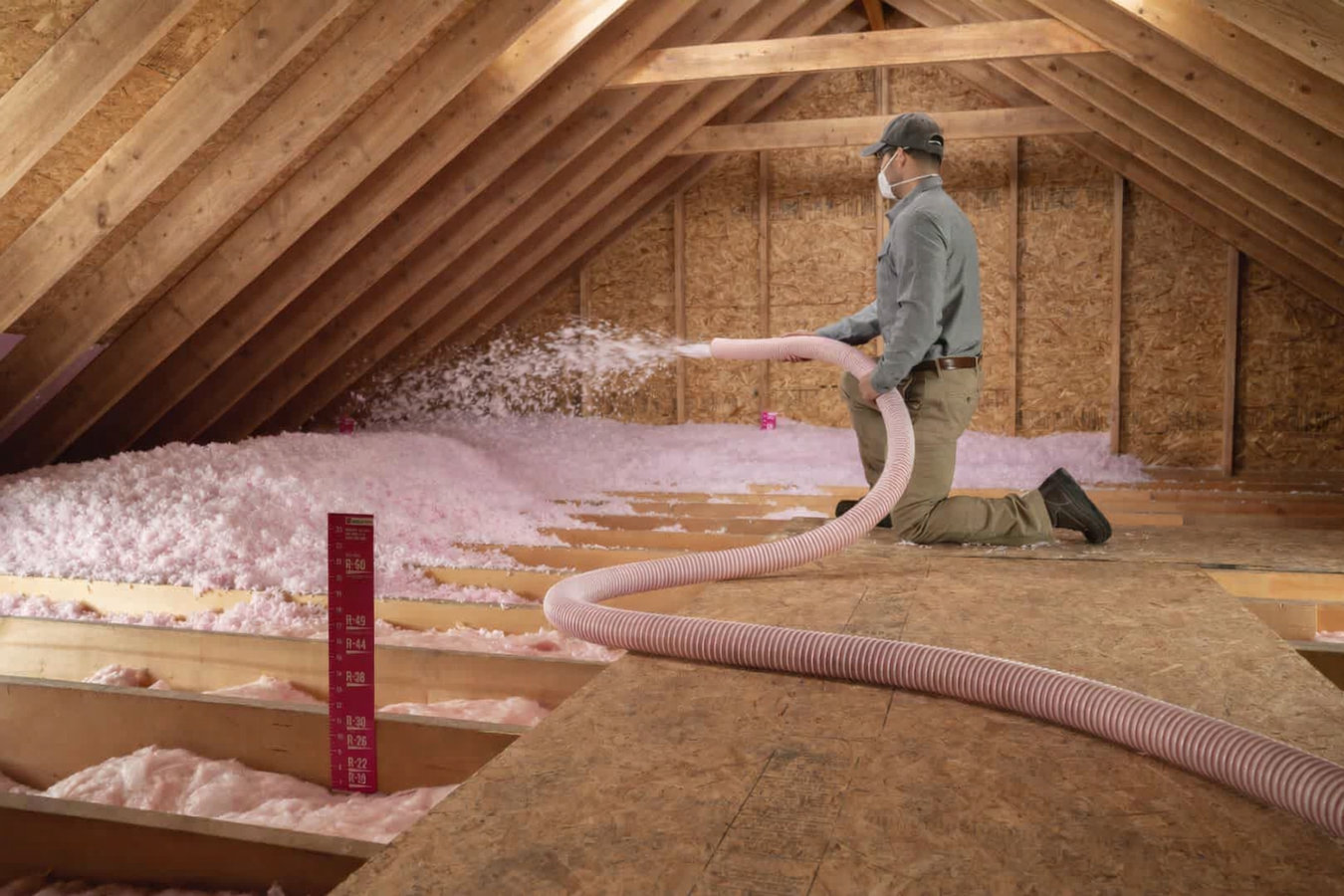
Blown-in insulation in Goose Creek, SC is loose material - fiberglass or cellulose - blown into your attic using a machine and hose, creating a continuous layer that slows heat transfer. Most residential attic jobs are finished in half a day to a full day, and you don't need to leave your home.
A large share of Goose Creek homes were built in the 1980s and 1990s, and most were insulated to the standards of that era - which are well below what's recommended for the Lowcountry's climate today. If your upstairs rooms feel unbearably hot in July or your cooling bill keeps climbing, thin attic insulation is often the first thing worth checking. If you want to address air movement at the same time, pairing blown-in insulation with our home insulation assessment covers all the areas where your home may be losing conditioned air.
The material fills odd-shaped spaces and corners that rigid panels or batts can't reach, which is one reason it works so well in older homes with irregular framing. A good installation always starts with air sealing - plugging gaps around light fixtures, pipes, and penetrations before the insulation goes in. Skipping that step leaves a significant portion of the energy savings on the table.
If rooms directly under the roof feel noticeably warmer than the rest of your home during Goose Creek's long summers, your attic is likely letting heat push through. Your air conditioner may be running almost constantly trying to compensate, which shows up directly on your power bill every month.
If you look into your attic from the hatch and can clearly see the tops of the wooden joists, your insulation is too thin. A properly insulated attic has enough material that those joists are buried and not visible. This is a quick check anyone can do safely from the hatch without going all the way in.
If your bill has been rising year over year without a clear reason, under-insulated attic space is one of the first things worth checking. In Goose Creek's long cooling season, heat pushing through the ceiling forces your system to work harder every single day from late spring through early fall.
Homes in Goose Creek built in the 1980s and 1990s were insulated to standards that have since been updated significantly. If your home is in that age range and you've never had insulation added, it's very likely performing below what's now considered adequate for this climate.
We install blown-in insulation in attics, wall cavities, and other hard-to-reach spaces throughout Goose Creek and the surrounding Lowcountry. Every job starts with an in-person assessment where we measure what's already in your attic and check for any moisture or air issues that need to be addressed first. We offer both fiberglass and cellulose blown-in materials, and we'll recommend the right choice based on your attic's conditions and any existing moisture exposure. For homeowners looking at a full thermal envelope review, our wall insulation service addresses the areas blown-in attic work doesn't reach.
We include air sealing as part of every attic insulation job - not as an optional add-on. Gaps around light fixtures, pipes, and wiring are sealed before any material goes in, because blowing insulation over open gaps leaves real energy savings on the table. Every estimate is written and itemized so you know exactly what's included before any work begins.
Best for attics with existing moisture concerns - resists water and does not settle as much over time.
Well-suited for homes that want a recycled-material option - fills tight corners densely and treats well for fire and pest resistance.
Ideal for older Goose Creek homes that have some insulation but not enough to meet current recommendations for this climate.
The highest-impact option - sealing all penetrations before blowing in new material delivers the best energy and comfort results.
Goose Creek sits in Berkeley County in the South Carolina Lowcountry, where summer heat and humidity arrive in April and don't let go until October. Your attic can reach temperatures well above 130 degrees on a July afternoon, and without adequate insulation, that heat pushes straight down into your living space. Homes in neighborhoods like Sangaree and Crowfield Plantation - many built in the 1980s and 1990s - were insulated to the standards of their era, which are significantly lower than what's recommended for this climate today. Homeowners in Ladson and Summerville deal with the same housing stock and the same climate pressure.
The coastal humidity in this part of South Carolina also means attics here are more prone to condensation and moisture buildup than homes in drier climates. A reputable contractor will check for existing moisture or mold before blowing in new material - adding insulation over a damp attic can trap moisture and create bigger problems. The U.S. Department of Energy recommends higher insulation levels for South Carolina than for most northern states precisely because of how hard the heat pushes in during the long cooling season. Berkeley County permit requirements also apply to some insulation projects - a contractor familiar with local rules handles that on your behalf.
Call or submit a form and we'll get back to you within 1 business day. We'll ask a few basic questions - your home's size, when it was built, and whether you've had any insulation work done before - so we're prepared when we visit.
We come out and measure exactly what's in your attic now, check for any moisture or mold issues, and identify gaps that need air sealing first. This visit usually takes 30 to 60 minutes and ends with a written quote that explains what we recommend and why.
You receive a clear, itemized estimate before any work is scheduled. We explain what materials we're using and why - no vague line items. Take your time reviewing it. If a Berkeley County permit is required for your project, we'll let you know and handle it.
The blowing machine stays in the truck outside. A hose runs into your attic through the hatch. We seal air gaps first, then blow the insulation to the right depth. Most attic jobs are done in half a day. We clean up before we leave and show you the finished result.
Free estimate. Written quote before any work begins. We respond within 1 business day.
(843) 931-2094We seal gaps around pipes, wires, and fixtures before any insulation goes in. Many contractors skip this step - blowing material over open gaps leaves a significant share of the energy savings unrealized. We treat it as a required part of the job.
Insulation work in Goose Creek falls under Berkeley County's building code jurisdiction, and some projects require a permit. We know when one is needed and handle the process on your behalf - you never have to make calls to the building department yourself.
Before any material goes in, we check your attic for moisture, condensation, and existing mold. In a coastal climate, adding blown-in insulation over a damp attic traps the problem rather than solving it. Finding and addressing moisture first protects your investment.
Every quote is itemized in writing so you know exactly what materials are going in and what the total cost will be. The North American Insulation Manufacturers Association recommends getting written estimates from contractors - we make that the standard, not the exception.
Every one of these points comes from listening to what Goose Creek homeowners say went wrong with other contractors. Getting insulation right isn't complicated - it just requires doing each step in the right order and not cutting corners on the parts that don't show.
A full-home insulation assessment covering attic, crawl space, and walls - the right starting point if you're not sure where your home is losing the most energy.
Learn MoreBlown-in or injected insulation for existing wall cavities - addresses heat and noise transfer in areas your attic work doesn't reach.
Learn MoreGoose Creek's cooling season starts early. The sooner your attic is properly insulated, the sooner your home - and your energy bill - reflect it.