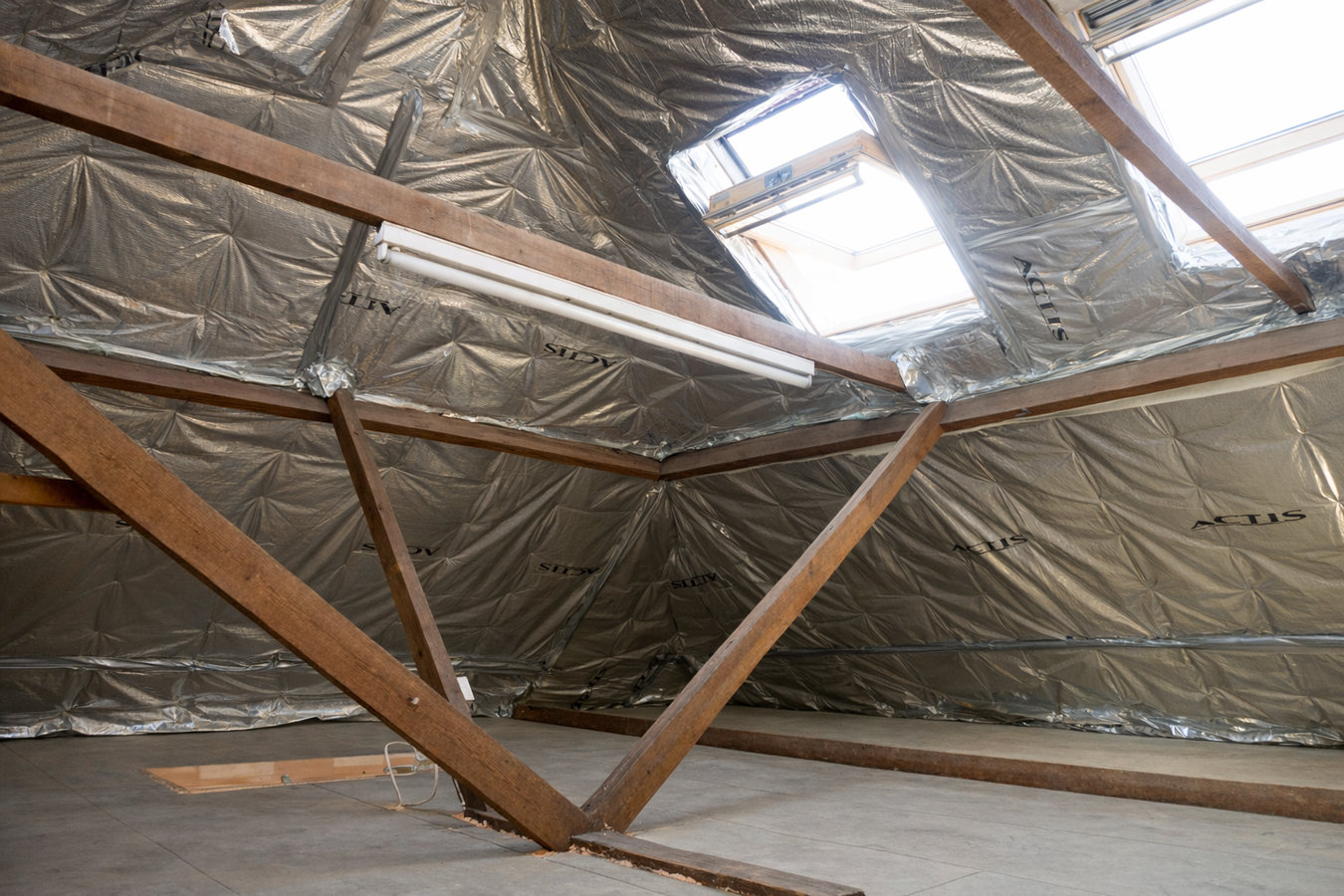
A poorly insulated attic lets heat pour into your home all summer long. We air-seal first, then install blown-in insulation to the right depth - so your AC stops fighting a losing battle every June.
Attic insulation in Goose Creek, SC acts as a thermal barrier between your living space and the outdoor heat - most single-family attic jobs are completed in one to four hours on installation day, and you can stay home during the work. The problem for many local homeowners is that the original insulation was installed to the standards of 15 to 40 years ago, which fall well short of what the U.S. Department of Energy recommends for South Carolina today.
Goose Creek grew rapidly from the 1970s through the 1990s as a bedroom community for the Charleston area, and much of that housing stock was built before tight air sealing was required. On top of that, the Lowcountry's humidity means insulation from that era has often been slowly compressed or damaged by moisture over the years. If you're dealing with rooms that won't cool down or bills that climb every summer, the attic is the first place worth checking. For homes with more complex moisture situations, attic air sealing is often done alongside insulation work for the best results.
The most common installation method for attics in this region is blown-in insulation - a machine blows loose fiberglass or cellulose fibers evenly across the attic floor, filling gaps and covering joists completely. It works well in attics of all shapes and sizes, including those with irregular framing or existing partial coverage. A contractor who skips air-sealing and goes straight to blowing in material is leaving real performance on the table.
If your electric bill climbs sharply from May through September despite not changing your habits, your attic is likely letting heat pour into your home faster than your AC can push it out. In Goose Creek, where cooling costs dominate the annual energy budget, this is one of the clearest signs your attic insulation isn't doing its job.
Bedrooms at the top of your home or rooms directly under the roofline that feel stuffy and hard to cool are experiencing heat radiating down from an under-insulated attic. This is especially common in Goose Creek homes built in the 1980s and 1990s, where the original insulation has settled and thinned over the years.
If you peek into your attic and the wooden framing members are visible above the insulation level, you almost certainly don't have enough. Properly insulated attics in South Carolina should have insulation deep enough that the joists are completely buried and invisible.
Healthy blown-in or batt insulation should look fluffy and uniform. If it appears compressed, stained, or has a musty smell, moisture has likely gotten into it - a real concern in Goose Creek's humid climate. Wet or moldy insulation loses most of its effectiveness and should be replaced, not built on top of.
Every attic insulation job we do starts with an assessment - we measure the existing depth, check for air leaks, and look for any moisture, mold, or pest issues before any material is installed. If old insulation is wet, moldy, or pest-contaminated, we remove it first rather than burying the problem. We also pair attic work with blown-in insulation services - the most common and cost-effective method for attics in this region - using a blowing machine to distribute loose fibers evenly across every corner and joist bay.
Before the new material goes in, we air-seal gaps around light fixtures, plumbing penetrations, and the tops of interior walls. This step is what separates a job that actually performs from one that looks right but doesn't change your bills. After installation, we leave a labeled depth marker in your attic so you can verify the work yourself. Every job includes a written completion document stating the material and final depth installed.
The standard choice for most Goose Creek attics - fast, even coverage at the right R-value for South Carolina's climate zone.
Required when existing material is wet, moldy, or contaminated - adding new insulation on top of a damaged layer does not fix the problem.
Done before any new material is installed - plugging gaps around fixtures, pipes, and wall tops so conditioned air stops escaping.
For homeowners who want to confirm their existing insulation is still performing - or who want to know exactly what level they're starting from.
Goose Creek sits in the South Carolina Lowcountry, where attic temperatures can reach 150 degrees Fahrenheit or higher on a hot afternoon, and the cooling season stretches from April through October. Without adequate insulation, that heat radiates straight down into your living space no matter how hard your AC works. The Charleston metro area also carries some of the highest relative humidity levels in the continental United States, and moisture is the enemy of attic insulation - it compresses fiberglass batts, promotes mold growth in cellulose, and can quietly destroy the effectiveness of material that looks fine from below. Homeowners across Summerville and Hanahan face the same seasonal pressure and the same need for insulation that can handle real humidity.
Berkeley County - where Goose Creek is located - has been one of the fastest-growing counties in South Carolina for over a decade. Neighborhoods like Crowfield Plantation, Devon Forest, and Sangaree are filled with homes built in the 1980s and 1990s that were originally insulated to the standards of that era. Many of those homes now have attic insulation that has settled, compressed, and in some cases been damaged by pest activity over the years. The U.S. Department of Energy recommends R-38 to R-60 for attics in South Carolina's climate zone - a standard most pre-2000 homes here don't currently meet.
We respond within 1 business day. We'll ask a few basic questions - your home's approximate square footage, the age of the house, and whether you've noticed high bills or uncomfortable rooms. This helps us come prepared with the right equipment.
A technician goes into your attic to measure the current insulation depth, check for air leaks, and look for any moisture, mold, or pest issues. The visit usually takes 30 to 60 minutes. You get a clear explanation of what was found and what is recommended - with no pressure to book on the spot.
After the assessment, you get a written quote breaking down the cost of air-sealing, any removal if needed, and the new installation. A trustworthy contractor explains why each item is on the list. Take your time comparing if you are getting more than one quote.
You can stay home during the work - the crew is in the attic, not in your living space. Most jobs finish in a few hours. Before leaving, we confirm the depth achieved and leave a labeled depth marker so you can verify the result yourself any time.
We respond within 1 business day. There is no obligation to book after your estimate. After you submit the form, someone from our office will call to schedule a free in-home assessment at a time that works for you.
(843) 931-2094We leave a labeled depth marker in your attic after every installation so you can confirm the result yourself. You also receive a written completion document stating the material used and the final depth achieved - no guesswork required.
Plugging gaps before insulation goes in is part of how we work - not an add-on you have to request. A well-known reason attic insulation underperforms is that air sealing was skipped. We build it into every job because it changes the outcome.
We know the neighborhoods here - Crowfield Plantation, Sangaree, Devon Forest, and the older streets near the Naval Weapons Station. The homes in Goose Creek have specific characteristics, and local experience changes how we approach every assessment.
When you reach out, you hear back within 1 business day - and in most cases we can schedule an in-home estimate within a few days of your first call. We don't leave inquiries sitting in a queue for a week.
The North American Insulation Manufacturers Association provides installation guidelines that reputable contractors follow - including standards for depth, coverage, and the documentation left behind after every job. That level of accountability is what gives homeowners confidence that the work was actually done right.
Blown-in installation is the method we use in most Goose Creek attics - it gives even, complete coverage and works in attics of any shape or existing condition.
Learn MoreAir sealing done before new insulation goes in is what makes the biggest difference in energy performance - we include it as part of a complete attic service.
Learn MoreGoose Creek's cooling season starts in April - get your free attic assessment before the heat peaks and your bills climb again.